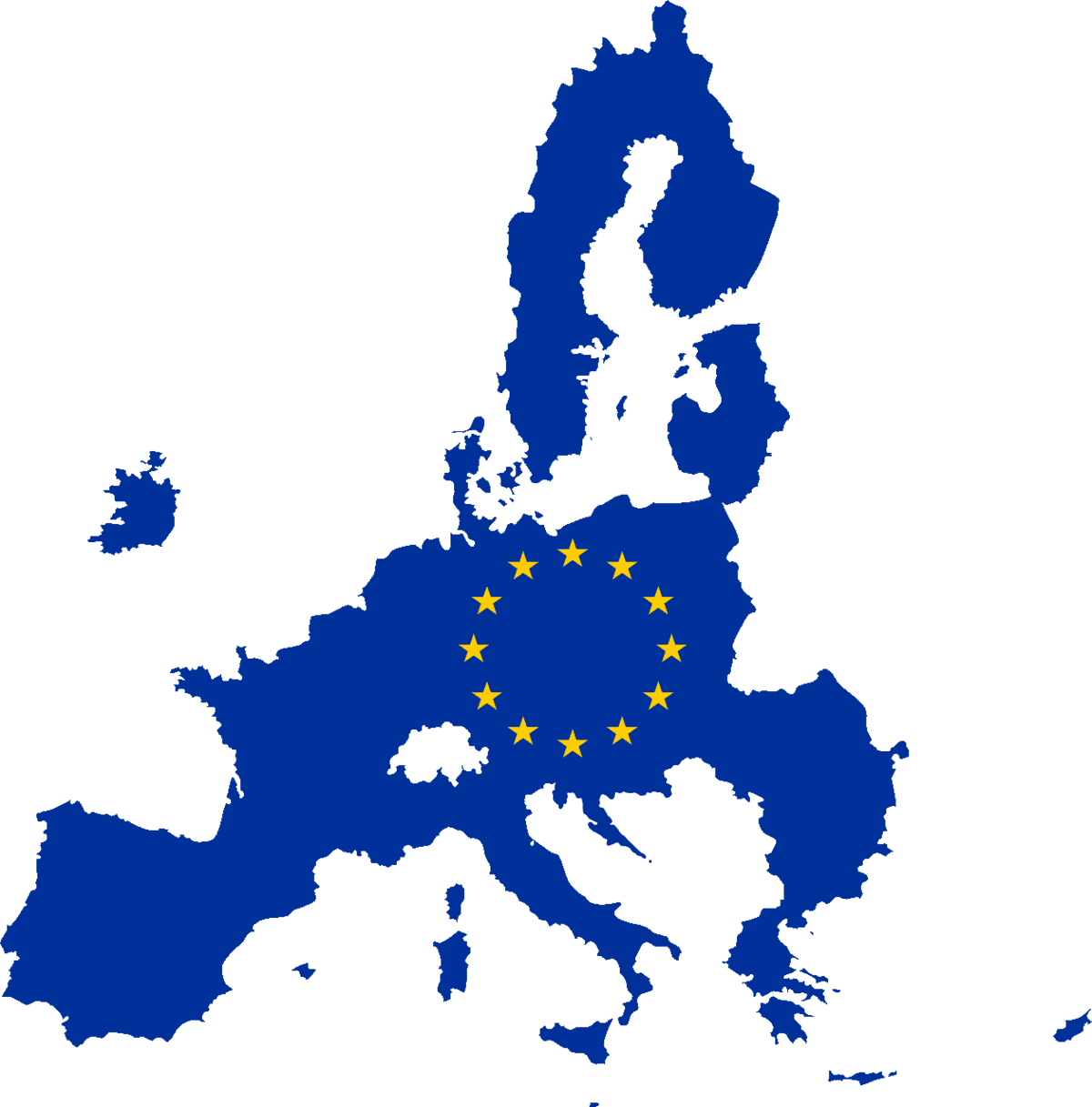
The average European company uses dozens of SaaS tools — most of them US-owned, storing data on US infrastructure, and subject to the CLOUD Act. While enforcement is still inconsistent, regulators across the EU are increasingly scrutinising this exposure.
The good news: the EU SaaS ecosystem has matured significantly. Here's a category-by-category breakdown of the most capable sovereign alternatives.
Collaboration & Project Management
Basecamp → Nextcloud
Nextcloud is the most comprehensive EU-hosted collaboration suite. Self-hosted or cloud-hosted (via EU providers like Hetzner or OVHcloud), it covers files, calendar, contacts, tasks, and video calls.
- ✅ Open source, self-hostable, German company (Nextcloud GmbH)
- ✅ End-to-end encryption options
- ✅ Huge app ecosystem
- ❌ Requires technical setup for self-hosting; cloud plans can be pricier than Google Workspace
- ❌ Mobile apps lag behind Google Drive/Dropbox in polish
Notion / Confluence → Outline or Nuclino
Outline (MIT-licensed, self-hostable) and Nuclino (Estonian company) are solid knowledge base alternatives.
- ✅ Outline: open source, EU-hosted options available
- ✅ Nuclino: clean UX, EU data residency
- ❌ Neither matches Notion's full feature set (databases, templates)
- ❌ Smaller communities and plugin ecosystems
Trello / Asana → Taiga or Plane
Taiga (Spanish, open source) and Plane (can be self-hosted) are capable alternatives for agile project management.
- ✅ Taiga: free, open source, EU company
- ✅ Plane: modern UI, good GitHub integration
- ❌ Enterprise feature sets still catching up
| Tool | Replaces | EU HQ | Self-hostable | Pricing |
|---|---|---|---|---|
| Nextcloud | Google Workspace | Germany | Yes | Free/paid plans |
| Outline | Notion/Confluence | Open source | Yes | Free (self-host) |
| Nuclino | Notion | Estonia | No | Freemium |
| Taiga | Trello/Asana | Spain | Yes | Free/paid |
| Plane | Jira/Asana | Open source | Yes | Freemium |
Video Conferencing
Zoom / Google Meet → Whereby or Jitsi Meet
Whereby (Norwegian) is polished and privacy-first. Jitsi Meet is open source and can be self-hosted on EU infrastructure.
- ✅ Whereby: no account needed for guests, Norwegian ownership, GDPR-compliant
- ✅ Jitsi Meet: fully open source, deployable anywhere, no data leaves your servers
- ❌ Whereby: lacks enterprise features like breakout rooms at lower tiers
- ❌ Jitsi: call quality can degrade at scale without proper infrastructure tuning
Teams → Element (Matrix)
Element is built on the Matrix protocol — a decentralised, open standard for encrypted messaging and video. German company Nordeck builds Element deployments for the German public sector.
- ✅ End-to-end encrypted by default
- ✅ Federated — you own your server
- ✅ Already adopted by German and French governments
- ❌ UX is rougher than Teams or Slack
- ❌ Non-technical users need onboarding
| Tool | Replaces | EU HQ | Self-hostable | Key Strength |
|---|---|---|---|---|
| Whereby | Zoom/Meet | Norway | No | Ease of use |
| Jitsi Meet | Zoom/Meet | Open source | Yes | Full control |
| Element/Matrix | Teams/Slack | UK (protocol: open) | Yes | E2E encryption, federation |
Analytics
Google Analytics → Plausible or Matomo
This is the most mature category for EU alternatives. Both Plausible and Matomo have been GDPR-compliant from day one and are widely adopted.
- ✅ Plausible: Lithuanian company, cookie-free, minimal script, beautiful UI, cloud or self-hosted
- ✅ Matomo: French company, most feature-complete GA alternative, self-hostable, supports cookieless tracking
- ❌ Plausible: simpler data model — not a like-for-like GA replacement for power users
- ❌ Matomo: more complex to configure and self-host
Mixpanel / Amplitude → PostHog (EU Cloud)
PostHog is open source and offers an EU cloud region. It covers product analytics, session recording, feature flags, and A/B testing in one platform.
- ✅ All-in-one product analytics suite
- ✅ EU cloud region available
- ✅ Open source and self-hostable
- ❌ Self-hosting at scale requires infrastructure investment
| Tool | Replaces | EU HQ | Self-hostable | GDPR Cookie Required |
|---|---|---|---|---|
| Plausible | Google Analytics | Lithuania | Yes | No |
| Matomo | Google Analytics | France | Yes | No (cookieless mode) |
| PostHog | Mixpanel/Amplitude | Open source (UK) | Yes | Configurable |
CRM
Salesforce / HubSpot → Brevo CRM or Pipedrive
Brevo (formerly Sendinblue) is a French company offering CRM, email marketing, and automation. Pipedrive is Estonian. Both store data in the EU.
- ✅ Brevo: EU-owned, strong email/automation features, generous free tier
- ✅ Pipedrive: sales-focused, clean UI, EU data residency
- ❌ Neither matches Salesforce's depth for complex enterprise sales processes
- ❌ HubSpot's all-in-one marketing+CRM combo is hard to replicate with a single EU tool
Self-hosted option: Twenty CRM
Twenty is an open-source CRM (MIT licensed) modelled on Salesforce — self-hostable, modern stack, and growing quickly.
- ✅ Full data ownership
- ✅ Modern React/TypeScript stack
- ❌ Still early-stage — not production-ready for all use cases yet
| Tool | Replaces | EU HQ | Self-hostable | Best For |
|---|---|---|---|---|
| Brevo CRM | HubSpot | France | No | SME marketing + CRM |
| Pipedrive | Salesforce | Estonia | No | Sales-driven teams |
| Twenty CRM | Salesforce | Open source | Yes | Technical teams, full control |
Email & Communication
- Proton Mail / Tutanota — encrypted email, Swiss/German, self-hostable options
- Fastmail — Australian (not EU, but non-US) with strong privacy stance
- Brevo (formerly Sendinblue) — EU transactional email, solid AWS SES alternative
- Mailpace — UK, privacy-first transactional email
The Honest Take
EU sovereign SaaS has come a long way, but there are still gaps — particularly in:
- Deep enterprise CRM and ERP (Salesforce, Workday)
- Developer tooling (GitHub has no EU-residency option; GitLab self-hosted is the main alternative)
- HR/Payroll (most EU alternatives are country-specific)
- Advanced BI tools (Metabase is open source and self-hostable; no strong EU SaaS equivalent to Tableau)
The practical approach for most organisations isn't a wholesale migration — it's identifying the 2–3 tools handling your most sensitive data and finding EU alternatives for those first. Analytics and file storage are usually the easiest wins.

